
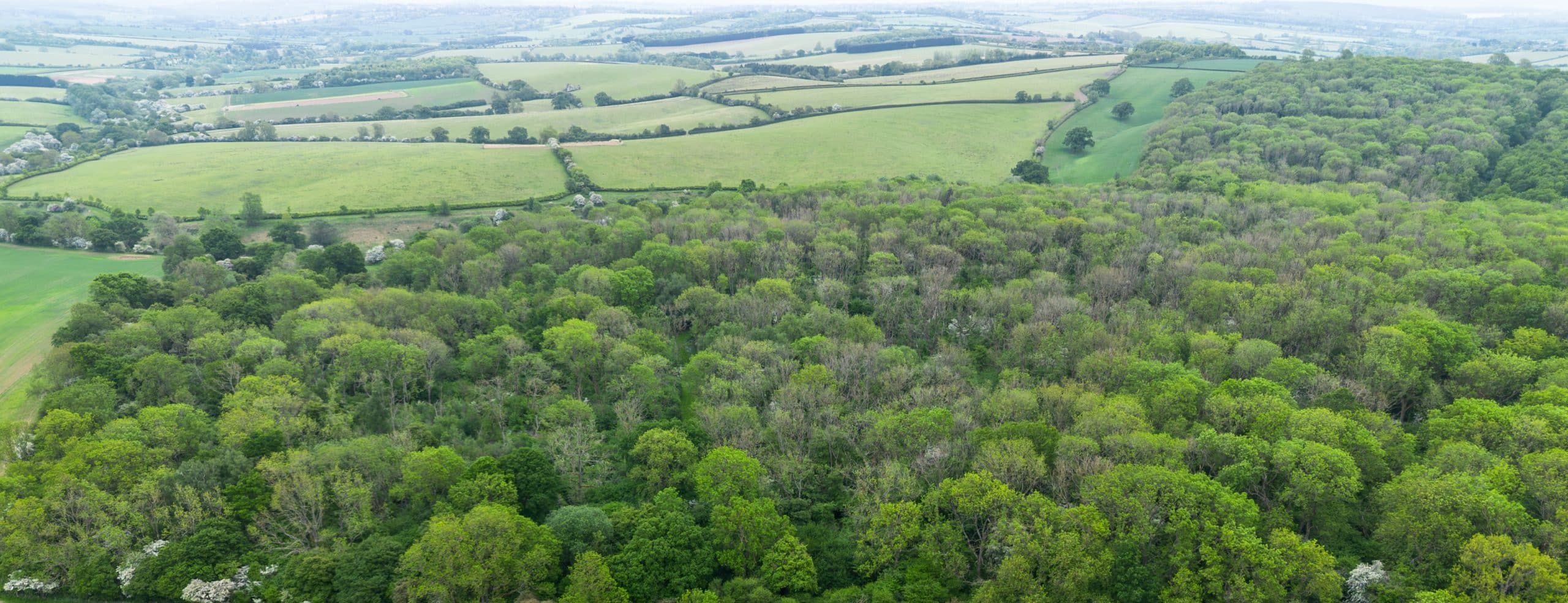
The parish of Launde lies within a landscape of gently rolling pasture, clear streams, thick hedgerows, and deep woods combining to form a patchwork that feels lifted from a fairy tale. It’s a setting steeped in history, with remnants of a Norman motte-and-bailey castle, medieval fishponds, and the earthworks of a historic deer park. At its heart though are two ancient woodlands: Launde Big Wood and Launde Park Wood, both designated Sites of Special Scientific Interest (SSSIs).
Launde’s ancient woods offer a rare opportunity to encounter one of the most unspoilt and historically rich corners of the English countryside. These woodlands are among the oldest in Leicestershire, home to centuries-old trees, diverse wildlife, and rare plant species, all set within the historic landscape of the Launde estate.
Launde Big Wood: A Living Ancient Woodland
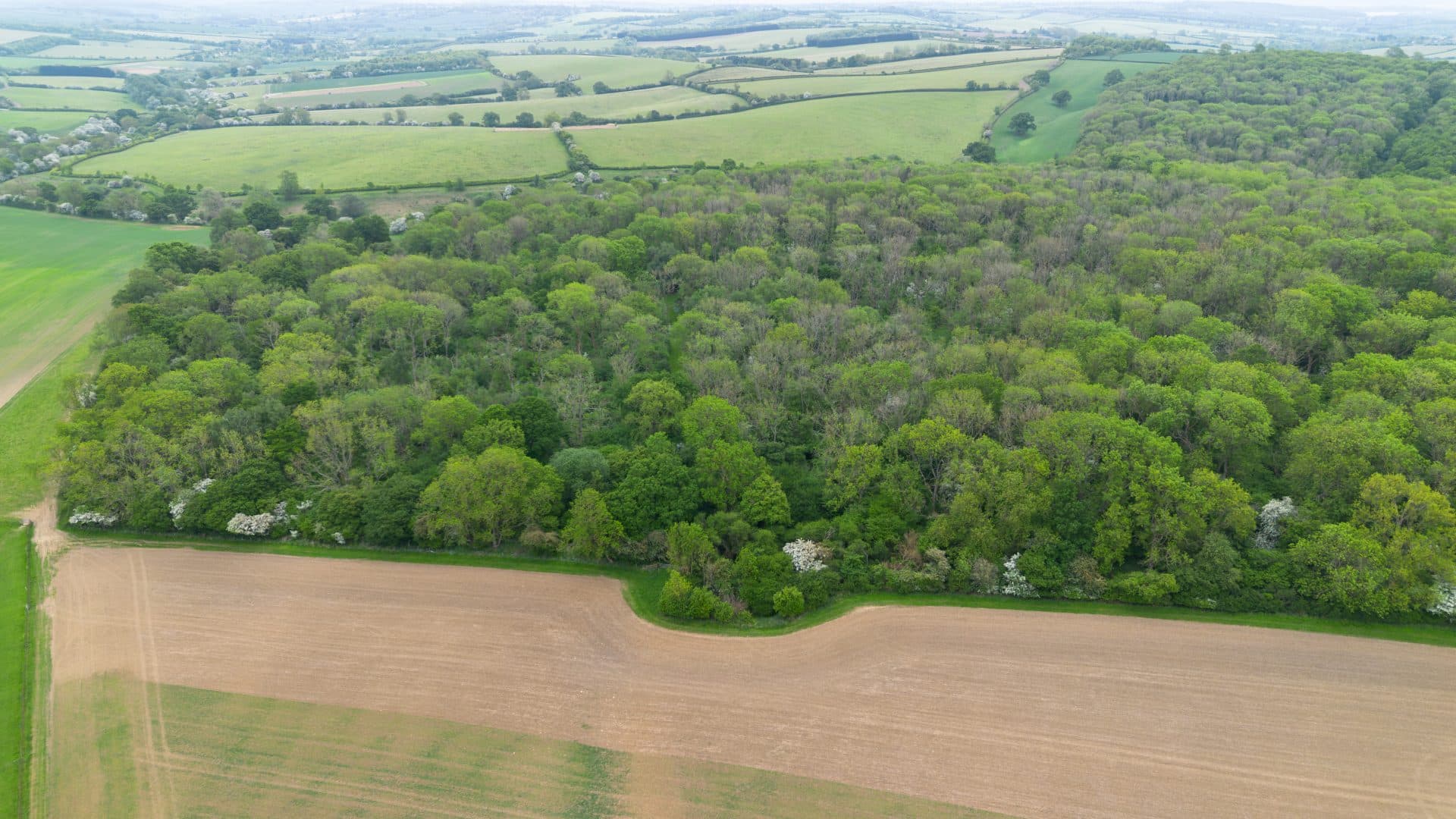
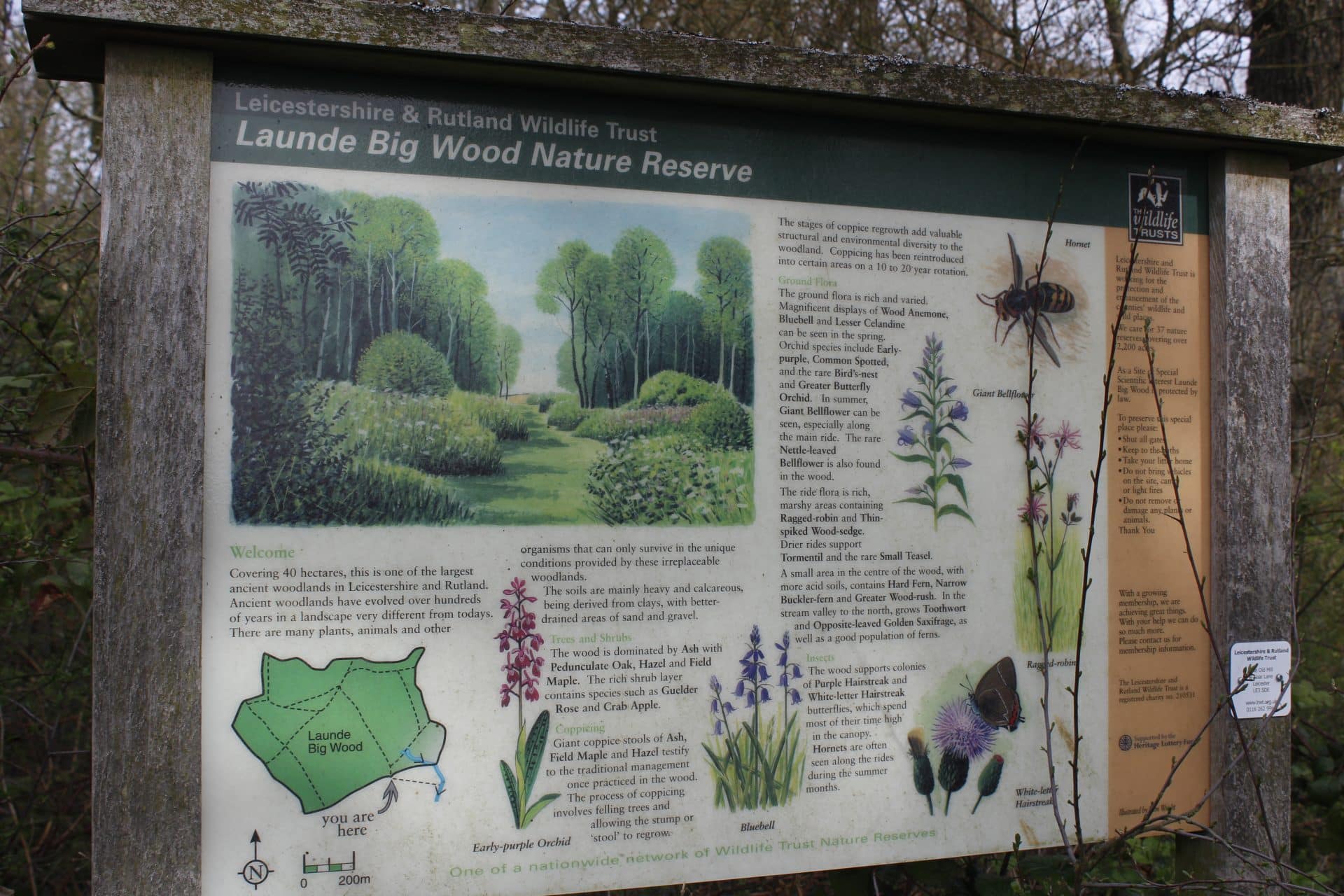
Historically known as West Wood, Launde Big Wood is a semi-natural ancient woodland covering over 100 acres. Located on elevated ground within the Launde Abbey estate and, with its designation as a Site of Special Scientific Interest (SSSI) since 1983, is one of the most ecologically valuable woodlands in the East Midlands.
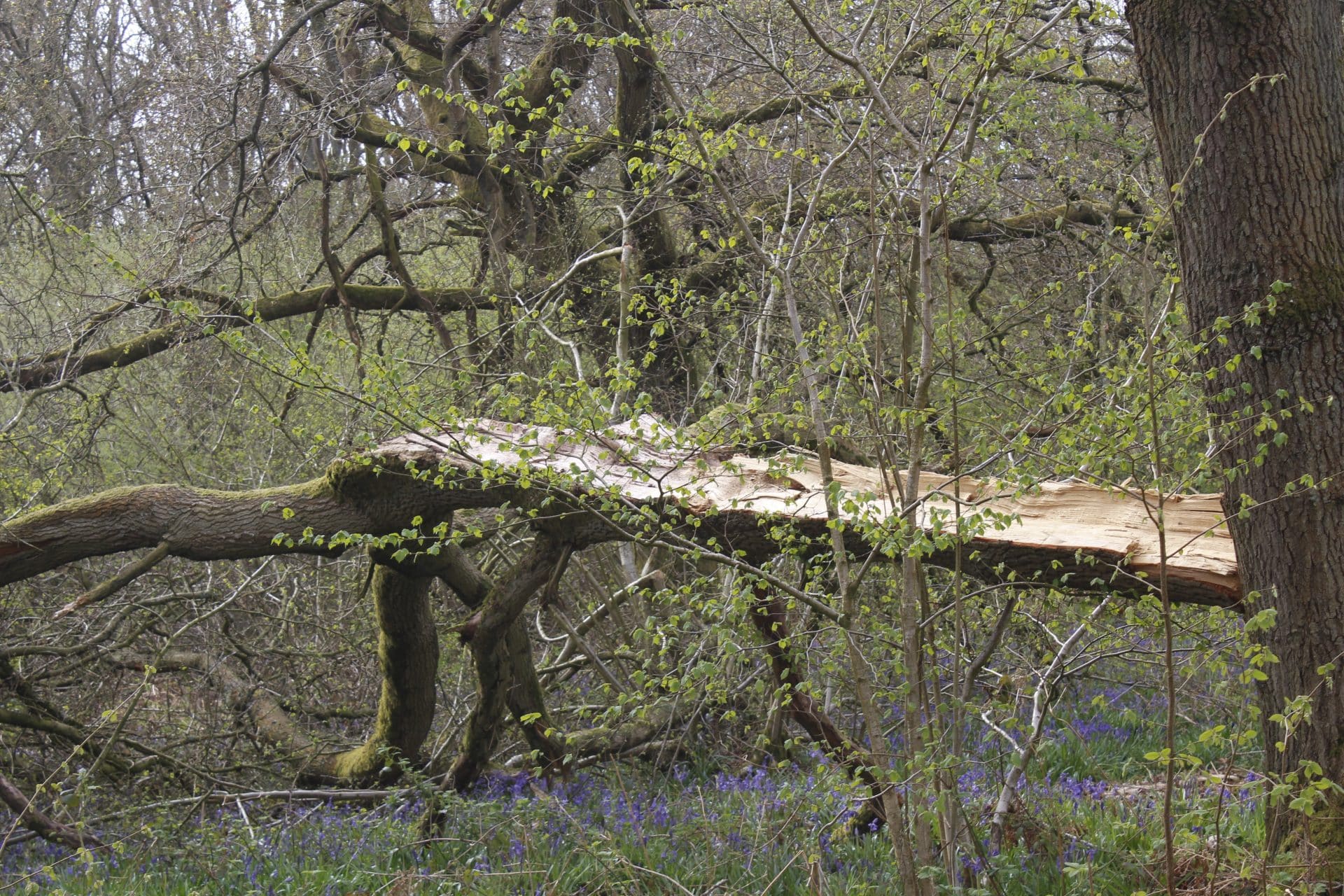
The canopy is dominated by mature oak, ash, hazel, and field maple. Features such as boundary earthworks and large coppice stools indicate the woodland’s continuous history and confirm its status as ancient semi-natural woodland.
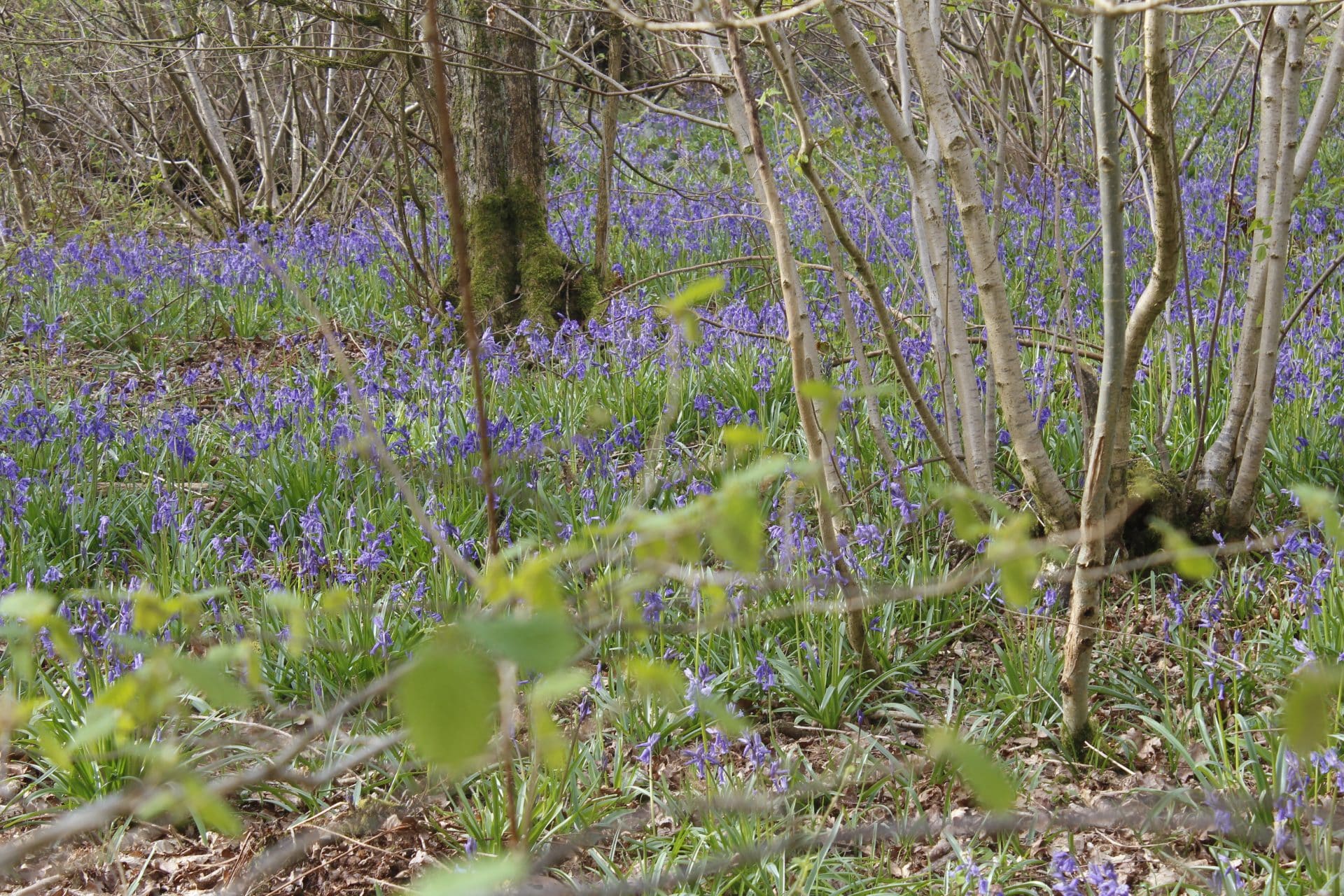
In spring, the woodland floor supports a rich variety of flowering plants, including bluebells, wood anemones, sweet woodruff, primroses, and early-purple orchids. Scarcer species such as bird’s-nest orchid, nettle-leaved bellflower, herb paris, and the parasitic toothwort also occur here.
The site supports a wide range of wildlife. Badgers, stoats, and weasels are active on the ground, while butterflies – including purple hairstreak and white-letter hairstreak – move through the treetops. Bird species are present throughout the year, adding birdsong to the woodland atmosphere in every season.
Launde Park Wood: Restoration in Progress
To the east of the Abbey lies Launde Park Wood, once part of the Royal Leighfield Forest and granted to Launde Priory in the 13th century. After the Dissolution of the Monasteries, it passed into the hands of Thomas Cromwell and later his son Gregory, who made Launde his home. In the 20th century, conifer planting disrupted the woodland’s natural ecology. Today, however, Launde Park Wood is undergoing a major restoration project led by Launde Abbey and the Leicestershire and Rutland Wildlife Trust.
As non-native trees are removed, native plants like ramsons, primroses, sweet woodruff, and the rare fragrant agrimony are returning. Traditional management techniques such as coppicing are being reintroduced to encourage biodiversity and re-establish natural woodland structure.
Though larger than Big Wood, Park Wood is still in recovery. Visitors may notice signs of conservation work – part of a long-term commitment to restore this habitat to its former richness.
Recognition and Protection
In 2022, Launde Big Wood and Park Wood were chosen as part of the Queen’s Green Canopy Ancient Woodland Network, a prestigious nationwide initiative celebrating Her Late Majesty Queen Elizabeth II’s Platinum Jubilee. The Queen’s Green Canopy, launched by His Royal Highness the Prince of Wales, recognised 70 ancient woodlands and 70 ancient trees across the UK as a permanent tribute to her 70 years of service.
Together, Launde’s woods are among the most ancient in Leicestershire and reflect both ecological richness and cultural heritage. Their ancient character is evident in boundary features, centuries-old coppice stools, and a flora that includes species found almost exclusively in long-established woodland.
“These are amazing places for wildlife with a fascinating cultural history,” said John Clarkson, Head of Conservation at the Leicestershire and Rutland Wildlife Trust. “They’re home to magnificent trees and wildflowers and provide a safe haven for many species, including bats.”
Both woods are owned by the Launde Abbey Charitable Trust and are under the long-term care of the Wildlife Trust. Educational visits, guided walks, and volunteering opportunities organised by the Wildlife Trust allow visitors to engage practically and meaningfully with this treasured landscape.
A Sacred Encounter with Nature
For many, walking in these woods is more than a peaceful escape – it becomes a spiritual experience.
“Walking in ancient woodland is a spiritual experience,” says Revd. Alison Myers, Warden of Launde Abbey, “– it connects us with life that began before us and will continue after us. The Launde woodlands go hand in hand with Launde’s spiritual history, stretching from the time of the monks to today’s praying community.”
Alison continues, “We are thrilled that Launde Abbey’s ancient woodlands are part of the Queen’s Green Canopy, not least because more and more people have discovered the blessing of walking in woods. When you next visit Launde Abbey, do include walking in our beautiful woodlands as part of your retreat.”
Whether you’re taking time to reflect in silence, walking quietly beneath the canopy, or simply listening to the wind in the trees, these woodlands offer space to slow down, notice the world around you, and find a sense of peace.
Come and Explore
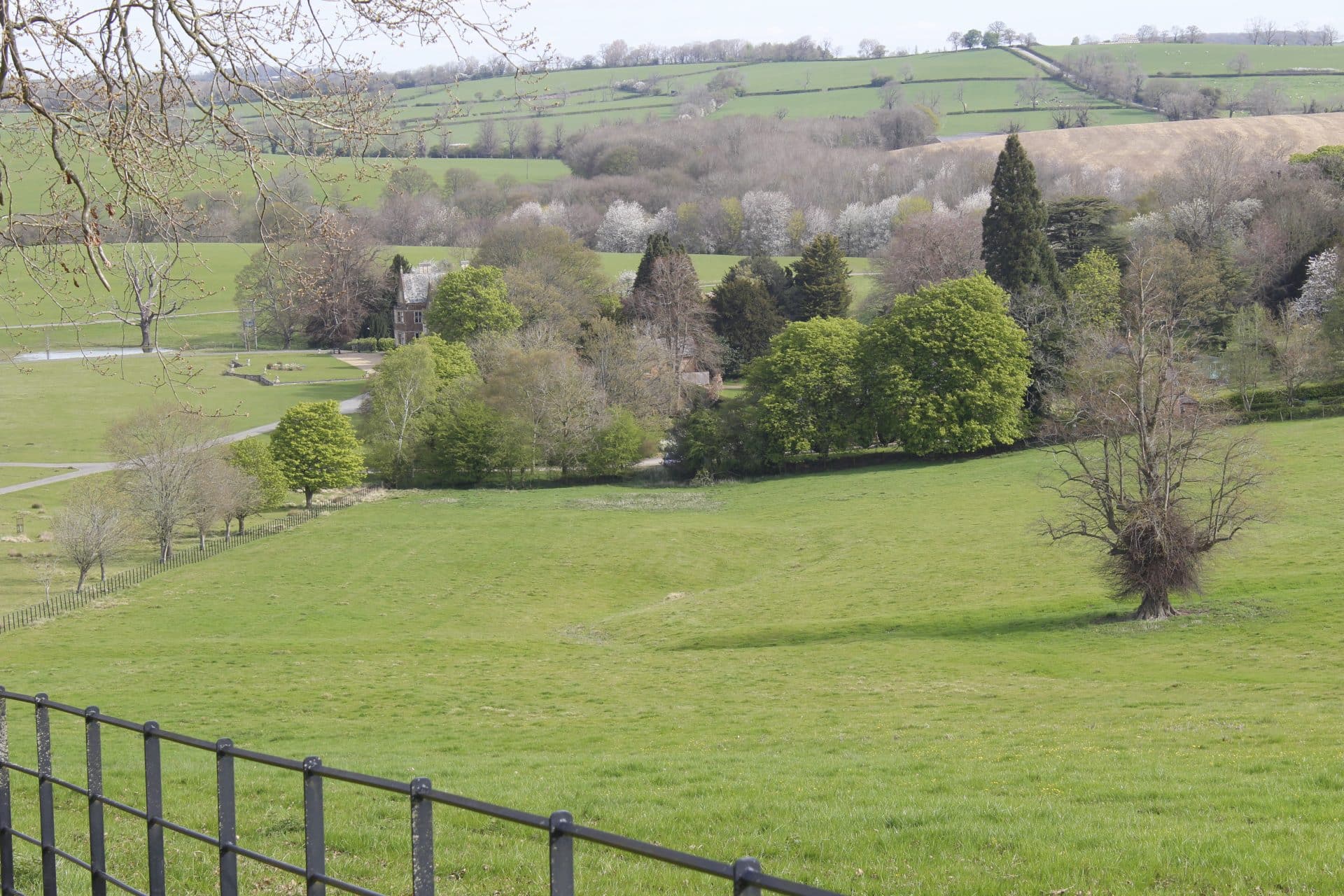
We invite all to enjoy time outdoors in and around Launde. If you are a lover of wildlife, or you appreciate history, the ancient woodlands at Launde offer a place to walk, reflect and reconnect. Wander along waymarked paths, take in sweeping views of the valley, and notice the quiet richness of life among these centuries-old trees.
Access is via signed footpaths and woodland tracks. Please wear sturdy footwear, keep dogs on leads, and take care around any conservation work in progress.
To learn more or explore volunteering opportunities, visit: www.lrwt.org.uk/nature-reserves/launde-woods